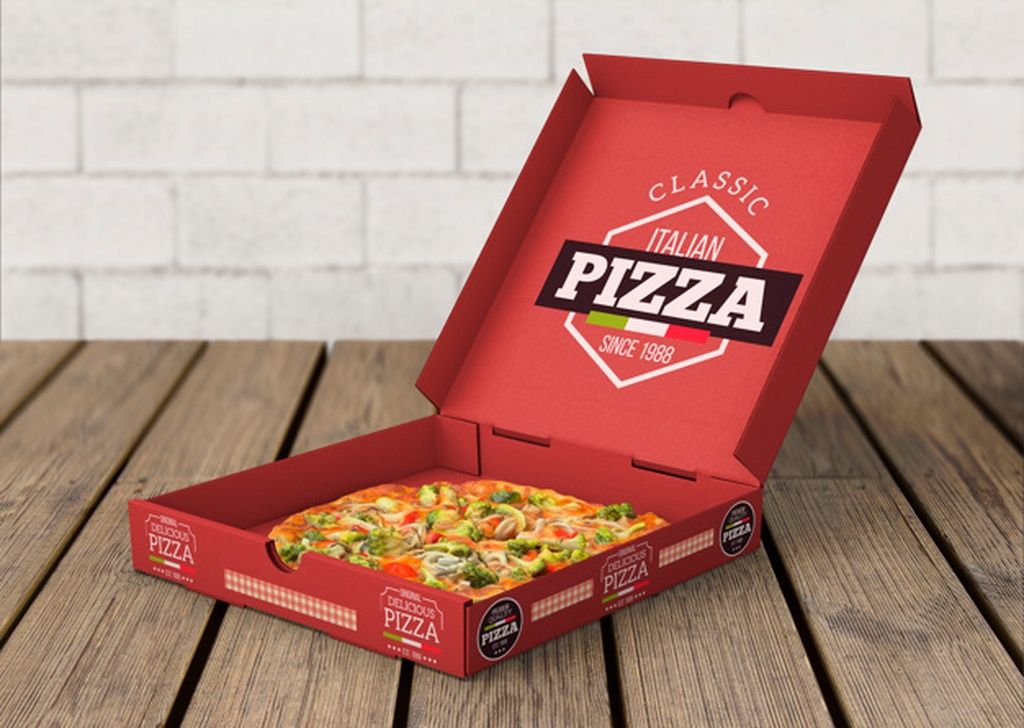
Packaging design plays a critical role in shaping how customers perceive a food brand, especially in the highly competitive pizza industry. Beyond protecting the product, packaging influences first impressions, usability, convenience, and overall satisfaction. A thoughtfully designed pizza box can turn a simple takeaway order into a memorable brand interaction, encouraging repeat purchases and positive word-of-mouth.
Modern consumers expect packaging to do more than just carry food. They look for durability, safety, visual appeal, and functionality. This is where heat-retaining pizza boxes become an essential part of the customer experience, ensuring that pizzas arrive warm, fresh, and visually appealing even after delivery or takeaway travel.
The Role of Packaging in Customer Experience
Customer experience begins long before the first bite. Packaging is often the first physical interaction a customer has with a food product. A well-structured pizza box communicates professionalism, care, and attention to detail.
Effective packaging design contributes to:
- Ease of handling and transport
- Food protection during delivery
- Visual appeal and brand recognition
- Convenience for sharing and storage
When packaging meets these expectations, customers are more likely to associate the brand with quality and reliability.
Functional Design: More Than Just a Box
Functionality is the foundation of any successful food package. For pizza, this includes maintaining temperature, preventing grease leaks, and preserving the product’s shape.
Key functional elements include:
- Ventilation features to reduce moisture buildup
- Sturdy materials that prevent crushing
- Inner coatings for grease-resistant pizza packaging
- Proper sizing to avoid movement during transit
When functionality is prioritized, customers enjoy their meal as intended, without mess or inconvenience.
Heat Retention and Food Quality
One of the biggest challenges in pizza delivery is temperature control. Customers expect their pizza to arrive warm, with melted cheese and a crisp crust. Poor packaging can lead to heat loss and soggy textures.
High-quality heat-retaining pizza boxes help maintain optimal temperature while balancing airflow. This ensures that the pizza remains enjoyable from the first slice to the last, enhancing satisfaction and reducing complaints related to food quality.
Visual Appeal and Brand Identity
Packaging design is a powerful branding tool. Colors, typography, and graphics can instantly communicate a brand’s personality and values. Well-executed branded pizza packaging helps businesses stand out in a crowded market.
Strong visual elements can:
- Increase brand recall
- Create a premium feel
- Encourage social media sharing
- Build emotional connections with customers
A visually appealing box often becomes part of the dining experience, especially in group settings or events.
Convenience and User-Friendly Features
Customer-centric packaging focuses on ease of use. Pizza boxes should open smoothly, close securely, and allow easy access without damaging the product.
User-friendly design considerations include:
- Easy-open lids
- Stable bases for serving
- Stackable structures for multiple orders
- Safe edges to prevent spills
These small details significantly impact how customers perceive the brand’s commitment to quality.
Sustainability as a Customer Experience Factor
Today’s consumers are increasingly conscious of environmental impact. Eco-friendly pizza boxes not only reduce waste but also strengthen a brand’s reputation.
Sustainable packaging choices can involve:
- Recyclable or biodegradable materials
- Reduced ink usage
- Minimal packaging waste
- Responsible sourcing practices
Customers often feel more positive about brands that align with their environmental values, making sustainability a key element of modern packaging design.
Hygiene and Safety Perception
Clean, well-constructed packaging reassures customers about food safety. A sturdy box that protects against contamination builds trust, especially in delivery and takeaway scenarios.
Packaging that prevents leaks, maintains structure, and keeps food enclosed reinforces the perception of professionalism and care throughout the customer journey.
Emotional Connection Through Packaging
Packaging can evoke emotions such as excitement, comfort, and anticipation. A well-designed pizza box can enhance the moment of unboxing, turning a routine meal into an enjoyable experience.
Elements that support emotional engagement include:
- Thoughtful messaging or illustrations
- Consistent brand storytelling
- Attractive interior printing
- A balance of simplicity and creativity
These factors help brands create lasting impressions beyond taste alone. more
Design Customization and Market Differentiation
In competitive food markets, differentiation is essential. Packaging allows brands to express uniqueness without altering the product itself. Strategic custom box design helps businesses align packaging with customer expectations while maintaining functionality. Through custom box design, brands can balance aesthetics, practicality, and sustainability in a single solution.
Long-Term Impact on Brand Loyalty
Packaging design directly influences repeat business. When customers consistently receive pizzas that look good, stay warm, and are easy to handle, trust builds over time. Thoughtful packaging becomes part of the brand promise, reinforcing quality and reliability with every order.
In the long run, packaging that enhances customer experience supports stronger brand loyalty, better reviews, and a more recognizable presence in the market.