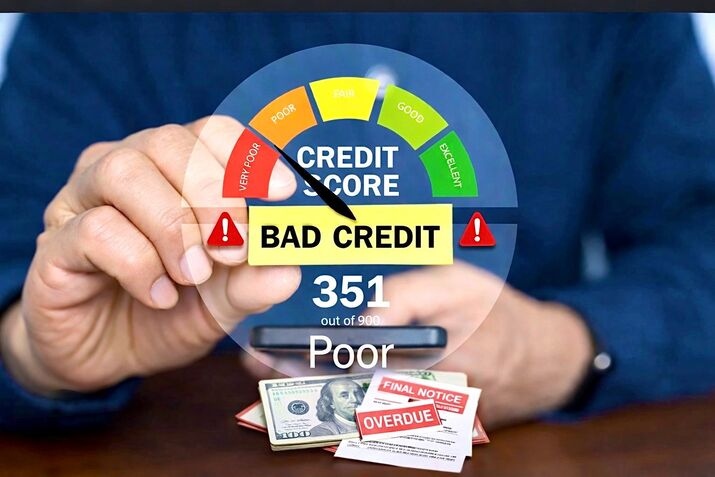
Your Canadian bank, like other banking institutions around the globe, is quite meticulous when drumming up credit to consumers and businesses. Thus, declaring a splendid credit score plays a significant role in your financial status in Canada. In Canada, a credit score is essential for approving credit card applications, personal loans, car loans, and mortgages. Knowing how to Build Credit Score in Canada is crucial to seeking financial security.
It becomes a challenge for any newcomer, student, or even a long-term resident to obliviously establish a new one or improve their current scores. The start is demanding, but it gets easier once you nail the strategies. As you practice good financial behaviors daily, you become confident, and there stands an improved credit score.
Use the following tips to build strong credit in Canada, and read further to guide you while seeking to establish credit.
What Is a Credit Score in Canada?
A credit score is a three-digit number that represents your creditworthiness. In other words, it shows lenders how reliable you are when borrowing money.
In Canada, credit scores usually range from 300 to 900. Generally, the higher your score, the more trustworthy you appear to lenders.
Credit Score Ranges in Canada
| Credit Score | Rating |
|---|---|
| 800 – 900 | Excellent |
| 740 – 799 | Very Good |
| 670 – 739 | Good |
| 580 – 669 | Fair |
| 300 – 579 | Poor |
Therefore, maintaining a higher score increases your chances of loan approval and better interest rates.
Why Your Credit Score is Important in Canada
Some of the financial opportunities influenced by the score are:
Lenders make use of it to evaluate:
- Eligibility for a loan
- The interest rate for a loan
- Credit limit for a credit card
- Mortgage approvals
- Rental applications
Some employers and insurance providers use credit reports, too. So, the status of the credit score can foster many aspects of your financial life.
Calculation of Credit Scores in Canada
Credit bureaus in Canada, such as Equifax Canada and TransUnion Canada, calculate credit scores.
Payment history (adding up to 35% of your credit score) is judged as the key factor.
So, how does a good and positive payment history start?
- Monthly payments, like
- Credit card payments
- Personal loans
- Utilities
- Mortgages
On-time payments often result in a gradually increasing credit score for you. On the other hand, any late or missed payments could significantly decrease your credit score.
Therefore, payment history remains a critical aspect to keep a good score.
how to Build Credit Score in Canada: Credit Utilization (30%)
- Credit utilization is, essentially, the % of your credit limit that you have used.
- So if your credit limit is $5,000 and you use $2,500, your utilization rate is 50%.
- Some credit experts say the credit score can be kicked up a few notches if the credit utilization does not go above 30%.
Low-utilizing effects will then positively reflect on a credit rating.
How to Build Credit Score in Canada: Length of Credit History (15%)
Your credit score also takes into consideration the age of your credit history.
In general, the longer your credit history, the better your credit profile becomes. Therefore, it helps to leave your old credit accounts open to maintain a higher credit score.
Furthermore, your credit history will decrease when you close accounts.
Credit Mix- 10%
The variety of credit accounts that you use refers to the credit mix.
Examples of accounts include:
- Credit cards
- Personal loans
- Auto loans
- Mortgage
A mix of credit accounts may help positively influence your credit score. Though this factor comes onto the stage much smaller than payment history and credit proportions.
New Credit Inquiries- 10%
- The creditors conduct a hard inquiry every time you apply for credit.
- When too many inquiries are raised in a short period, it drops your credit score.
Therefore, submit a credit application only as necessary so as to maintain a good credit score.
How to Increase Your Credit Score in Canada
If you want to boost your credit score, the following strategies will help.
Pay Your Bills On Time
- The literal meaning of ‘to improve your credit score’ is paying bills on time each and every time.
- Late payments drag your credit score down. Therefore, setting up reminders can be helpful.
- This step will help prevent defaults and maintain a payment history.
- Manage the commercial transfer rates alongside maintaining lower credit utilization.
If you want expert advice to do so, it is never more than 30% of your credit limits.
That is, should the limits issue $2,000, then the idea is to keep the credit card balance from crossing the $600 mark. Then, at least, increase your credit score if you will work to maintain such habits over a longer period of time.
Get A Secured Credit Card
For instance, working with a secured credit card is one of the best ways to build credit, especially if you do not yet have a credit history.
In fact, apply for the card, pay a cash deposit, which may translate to a security hold on an account, and act as the user’s credit limit. For instance, $500 in security deposit equals $500 in credit limit.
As a result, you can start building a strong credit history by using this card diligently and settling your payments on time.
How to Build Credit Score in Canada: Monitor Your Record
Carefully check your credit report. This process helps you to:
- Recognize errors in the report
- Guard against potential fraud
- Track improvements in your credit score
In Canada, the main credit bureaus are:
- Equifax Canada
- TransUnion Canada
- Borrowell
- Credit Karma Canada
These platforms and several others offer free credit monitoring services.

How to Build Credit Score in Canada: Refrain from too many credit applications
However, applying for numerous credit cards or loans within a short period can negatively affect your credit score.
Furthermore, every application usually results in a hard credit inquiry that can negatively affect your credit score.
In general, take credit as appropriate.
How to Build Credit Score in Canada: Leave Old Credit Accounts Open
- Old open accounts count toward a longer credit history.
- Keeping that seldom-used credit card active does good for your score.
- Make sure the accounts are still active and in good standing!
How Long Does It Take to Build Credit in Canada?
In general, building credit in Canada takes several years and, therefore, requires patience and resilience.
Usually, however:
- Having a fresh credit user means building credit starts from the point between 3 and 6 months.
- An individual may notice enhancements between 6 and 12 months.
- Having excellent credit will take you many years
In this case, maintaining good credit behavior and consistency will be the main assets.
Best credit cards for poor credit in Canada
There are several credit card options for Canadians who want to build credit effectively.
- What are some of the truly popular credit cards?
- That is a Capital One Guaranteed Mastercard
- And, Home Trust Secured Visa
- To make the Neo Financial Secured Card
- And the KOHO Credit Builder
So you can see that these people can make an effective credit repair while still functioning with some control over their borrowing limits
The Top Mistakes that Can Affect Your Credit in a Bad Way
However, it is equally important to understand that one of the worst mistakes is damaging the credit you have just worked hard to build.
- On Payment Delinquencies
Missing payments still do happen, and many of those of value are shocking to damage to your credit score.
- Maxed-out Credit Cards
When you max out your credit cards, your credit utilization rate goes up.
- Closing Old Accounts
You are causing a decrease in your credit history when cancelling the old accounts.
- Applying for Loans Here and There
Your credit is likely to slide if you apply for credit too frequently.
In other words, managing credit responsibly is key.
Building Credit in Canada for Fresh Immigrants
Alert immigrants typically missed out on credit scores when they got to Canada.
There are a variety of ways for newbies to start credit building.
You could, for instance,
- go after an initial credit card,
- build credit via a secured credit card,
- always pay the bills on time,
- start with limited credit limits,
In addition, many banks in Canada offer special programs for newcomers to build their credit.
How to Build Credit Score in Canada: Pros of Having a Better Credit Score
The upsides of having great credit are numerous.
- Lower Interest Rates
People with good credit can usually expect lower interest rates.
- Easy Loan Approval
It is good for a lender to see a good credit score.
How to Build Credit Score in Canada: Higher Limits on Credit Cards
- Strong credit enables higher credit card limits.
- More/Better Mortgage Options
- Mortgage lenders can offer high rates to strong credit score holders.
Thus, more cash is eventually saved by improving the credit score.
In Conclusion, towards it as:
Building a good credit history is a necessary part of becoming financially successful in Canada. Credit affects everything you have, borrowing capacity, loans’ approval, interest rates, and intangible financial opportunities.
However, you can build on credit step by step with good financial habits:
- Pay every bill on time
- Maintain a low utilization rate
- Monitor your credit report
- And that about covering all, use and pay your credit wisely.
As you implement these, with time, you will build credit with strong credibility that would yield access to all the better financial opportunities in Canada.