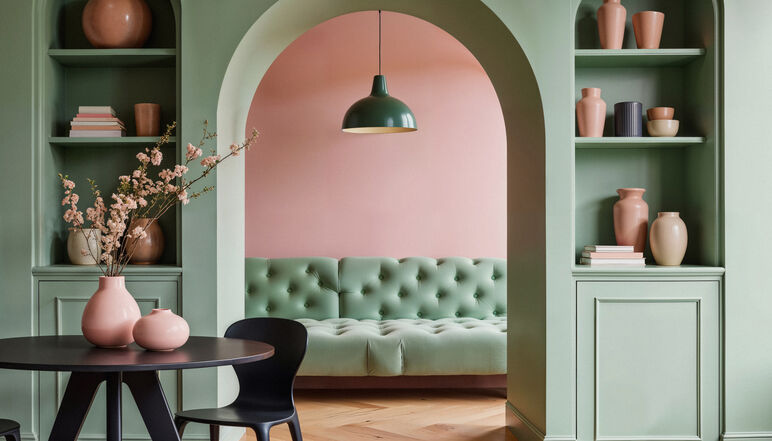
The interior design trends in Canada are evolving to reflect style, functionality, and sustainability as we move further into 2025. Residents in Canada are increasingly looking for homes that are beautiful as well as comfortable, convenient, and less harmful to the environment.
Whether in Vancouver, Toronto, Montreal, or small towns around the country, keeping one step ahead in trend-following changes in interior design will help make space feel modern, inviting, and truly your own. From bright, striking colors to eco-friendly materials, these emerging trends are defining a new direction of fashion in homes throughout Canada.
Sustainability and Environment-Friendly Design
One of the Interior Design Trends that has mostly been favoring sustainability in Canada is the choice of it. From sustainable materials, homeowners are also opting for eco-friendly materials such as reclaimed wood, bamboo, and recycled metal.
With the increase in aware customers in Canada going green, interior designers are seeing more fabric choices with organic cotton, hemp, and linen becoming popular. Such offerings impart a new texture and warm hue to the rooms being designed. What is more, some energy efficiency from their home-lightings, HVAC, and appliances may shine through and jibe well with the sustainable living initiatives of Canada.
Bright and Bold Colors
Contrasted with the warm neutrals and greys that have ruled the design world in recent years, 2025’s home design leans more towards the bold and the bright. Go green, go royal blue, go shades of orangeish terracotta all the way! They all conjure some seriously spectacular backdrops in living rooms, kitchens, and bedrooms.
Another new trend gaining popularity across Canada is the bold accent wall, where designers use rich colors within the same color family to create a balanced yet avant-garde style.
one that is urbane but warm welcome.
A Minimalistic Functionality spin
Minimalism continues its role, but by 2025, minimalism will also grow more practical. Canadians are finding ways to make their spaces more functional and ideal for use while keeping some kind of style.
Designers integrate smart storage into furniture while open floor plans remain popular in modern homes. By avoiding clutter, Canadian minimalism stays clean, functional, and filled with light.
Smart Homes and Technology Integration
Technology is another strong force in shaping the modern Interior Design Trends. Smart home devices make for real convenience; they are also efficient in energy consumption. These would be the gadgets being increasingly put into place in Canadian homes-smart thermostats, automated lighting, and whole-home security systems.
Voice-activated AI assistants and home automation hubs allow total control over heating, cooling, and lighting in smart homes. Therefore, it is not just about creating beautiful homes; it is about ensuring that the houses are also optimally functional and future-ready.

Natural Elements and Biophilic Design
In Canada, there has been a marked rise in the popularity of biophilic design- a style which firmly emphasizes the connection between indoor spaces and nature. The use of natural materials such as wood, stone, and plants will create a calming and revitalizing atmosphere.
Indoor gardens, large windows, and living green walls are becoming common in Canadian homes, enhancing design while strengthening the connection to nature and supporting mental well-being.
Multi-Functional Spaces
After the adoption of permanent remote work by many Canadians, the multi-functional spaces trend for 2025 shows the promise to be one of the most instrumental inside design trends.
However, living has started to mean undertaking many tasks. Living rooms serve as workspaces, guest rooms become fitness centers, and the kitchens merge with casual dining zones. By establishing an aesthetic and elaborate aesthetic through the utilization of flexible and modular designs, the look of these rooms can come across as majestic as well as functional.
Statement Furniture and Art Pieces
Statement furniture and artistic pieces emerge as one of the other main interior factors. Strong foreboding sofas, sculptural yet elegant chairs, and a range of tables hand-made imbue personality within the Canadian House.
By incorporating Canadian-made art and unique pieces, homeowners personalize their spaces while preserving modern design.
Pastes and Layers
The play on texture and layering in contemporary design hierarchy. Canadians are blending the textures of velvet, wool, leather, and natural fiber to create depth and add beauty.
Area rugs, cushions, throws, and layered curtains add comfort and style, while varied textures keep interiors warm and inviting.
Open Living Spaces in Interior Design Trends
Open-floor plans remain huge with Canadian homes, especially in urban centers. By removing boundaries, these homes feel larger and benefit from increased natural light.
These layouts encourage social interaction, making them ideal for families and entertaining, and they will remain a signature feature of 2025 design trends.
Personalization and Custom Interior Design Trends
Sticking to interior personalization contributes to the underlay of 2025 interiors. The Canadian populace is learning to appreciate houses that express personality, lifestyle, and preferences.
Custom cabinetry, tailor-made furniture, and décor let homeowners create unique, one-of-a-kind spaces. Bringing in personal collections and travel mementoes and including family heirlooms further lends warmth and personality to any room.
Really Important Message: Reeling Off to the Next Interior Design Trend
The 2025 interior design trends in Canada focus on sustainability, bold colors, minimalism, smart technology, and personalized spaces, while natural elements, multi-use layouts, and statement pieces create striking, functional homes.
If you’re renovating in Toronto, Calgary, British Columbia, or elsewhere, these 2025 trends inspire remodels that enhance style, comfort, and home value.